Accessibility and Product Variety: A Convenient, Yet Questionable, Resource
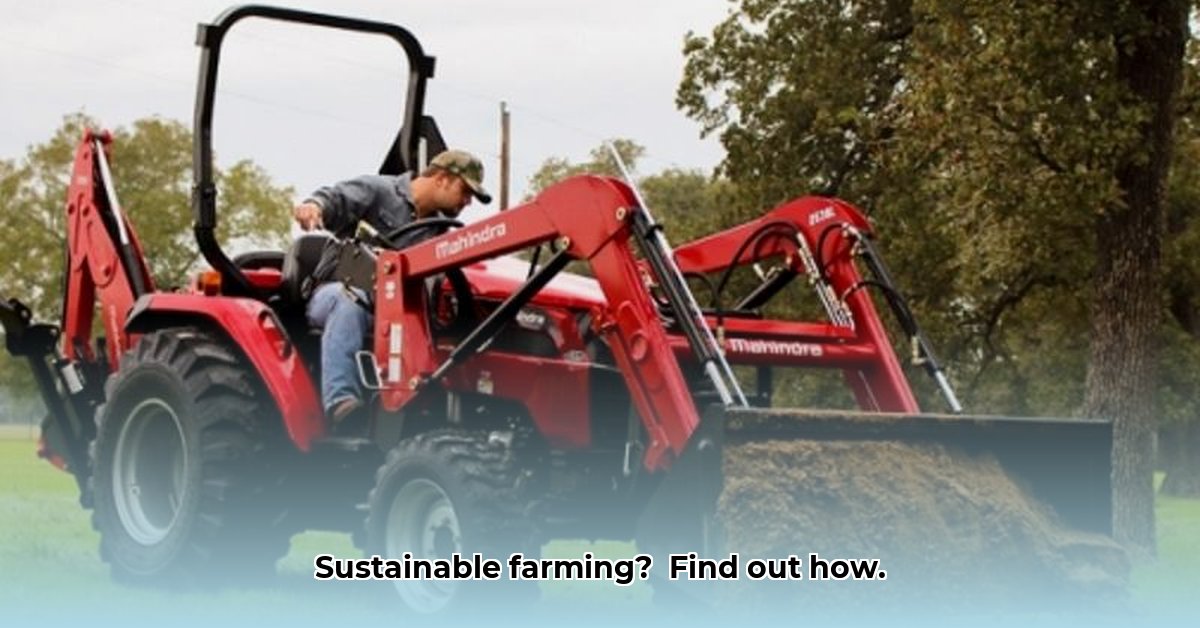
Tractor Supply (TSC) in Binghamton, NY, offers convenient access to a wide array of agricultural and gardening supplies, operating with extended hours (8 am to 9 pm) and a prime location. This accessibility is a significant benefit for local farmers and gardeners, providing a one-stop shop for everything from seeds and fertilizers to livestock feed and power equipment. However, the sheer volume of products does not automatically equate to a commitment to sustainable practices. While the store's extensive inventory caters to a broad range of needs, a critical evaluation of the type of products offered is necessary to assess its contribution to sustainable farming. Does the breadth of choices truly reflect a commitment to eco-friendly options, or merely current market demands? This question lies at the heart of our analysis. For more on TSC equipment, check out this helpful resource.
Sustainable Product Assessment: A Need for Transparency
TSC's online catalog showcases a substantial product selection, but critical details regarding the sustainability of these products remain elusive. While the store likely carries some organic seeds and compost, the absence of clear labeling makes it challenging to gauge the true extent of their eco-friendly offerings. Crucially, information on sourcing practices for many items is missing. Are organic seeds certified? What are the standards for compost sourcing? This lack of transparency hinders informed consumer choices and undermines trust. Consumers are increasingly seeking clarity on environmental impact and sourcing, and the current opacity surrounding many of TSC's products presents a missed opportunity to cater to this growing demand. More detailed labeling and readily accessible information about product origins and production methods are vital for building consumer confidence and supporting sustainable purchasing decisions.
Community Engagement: A Potential Partnership Underutilized
TSC's potential contribution to sustainable agriculture in Binghamton extends beyond simply selling products. The store has the potential to significantly advance sustainable farming practices by actively engaging with local farmers and gardeners. Imagine workshops demonstrating sustainable techniques, collaborative efforts with local organizations, or even sponsorship of community gardening projects. Such initiatives would definitively signal a genuine dedication to supporting local farmers in their sustainability efforts.
However, present evidence indicates a limited level of direct community engagement beyond product offerings. A more proactive approach is needed to strengthen TSC's position within the community and demonstrate a commitment to sustainable agriculture that goes beyond simply providing products.
Challenges and Opportunities: A Collaborative Path Forward
Addressing the limitations in TSC's current approach to sustainable agriculture requires concerted effort from multiple stakeholders:
1. Tractor Supply Co.:
- Short-Term (0-1 year): Conduct thorough market research to identify consumer demand for sustainable products. Improve in-store and online labeling, clearly identifying sustainably sourced and produced products with certifications.
- Long-Term (3-5 years): Forge partnerships with local sustainable agriculture organizations. Substantially expand the range of sustainably sourced and produced products. Invest in employee training on sustainable agricultural practices and supply chain transparency.
2. Local Farmers/Gardeners:
- Short-Term (0-1 year): Directly request a wider selection of sustainable products from store management. Engage in discussions regarding product sourcing and labeling transparency.
- Long-Term (3-5 years): Collaborate with TSC on educational and outreach initiatives, such as workshops on sustainable farming methods.
3. Binghamton Community:
- Short-Term (0-1 year): Support local farmers’ markets and initiatives promoting sustainable food systems. Increase awareness of sustainable agricultural practices within the community.
- Long-Term (3-5 years): Actively participate in discussions and advocate for policies supporting sustainable farming within Binghamton's local government.
Conclusion: A Call for Increased Transparency and Commitment
Tractor Supply plays a pivotal role in Binghamton’s agricultural sector. However, the store's current approach falls short of fully supporting sustainable farming practices. The lack of transparency regarding product sourcing and production methods, coupled with limited community engagement, hinders its potential positive impact. A concerted effort from Tractor Supply, local farmers, and the broader community is needed to foster greater transparency, expand the availability of sustainable products, and implement collaborative initiatives that promote environmentally responsible agricultural practices. The future of sustainable agriculture in Binghamton depends on this collective commitment.
Further Research and Call to Action
This analysis highlights the need for further research into Tractor Supply's specific sourcing practices and the extent of the demand for sustainable products within the Binghamton community. We encourage readers—including local farmers, community members, and Tractor Supply management—to engage with these issues and advocate for changes that will ultimately advance sustainable agriculture in the region. The path towards a more sustainable future requires ongoing dialogue and collaborative action.